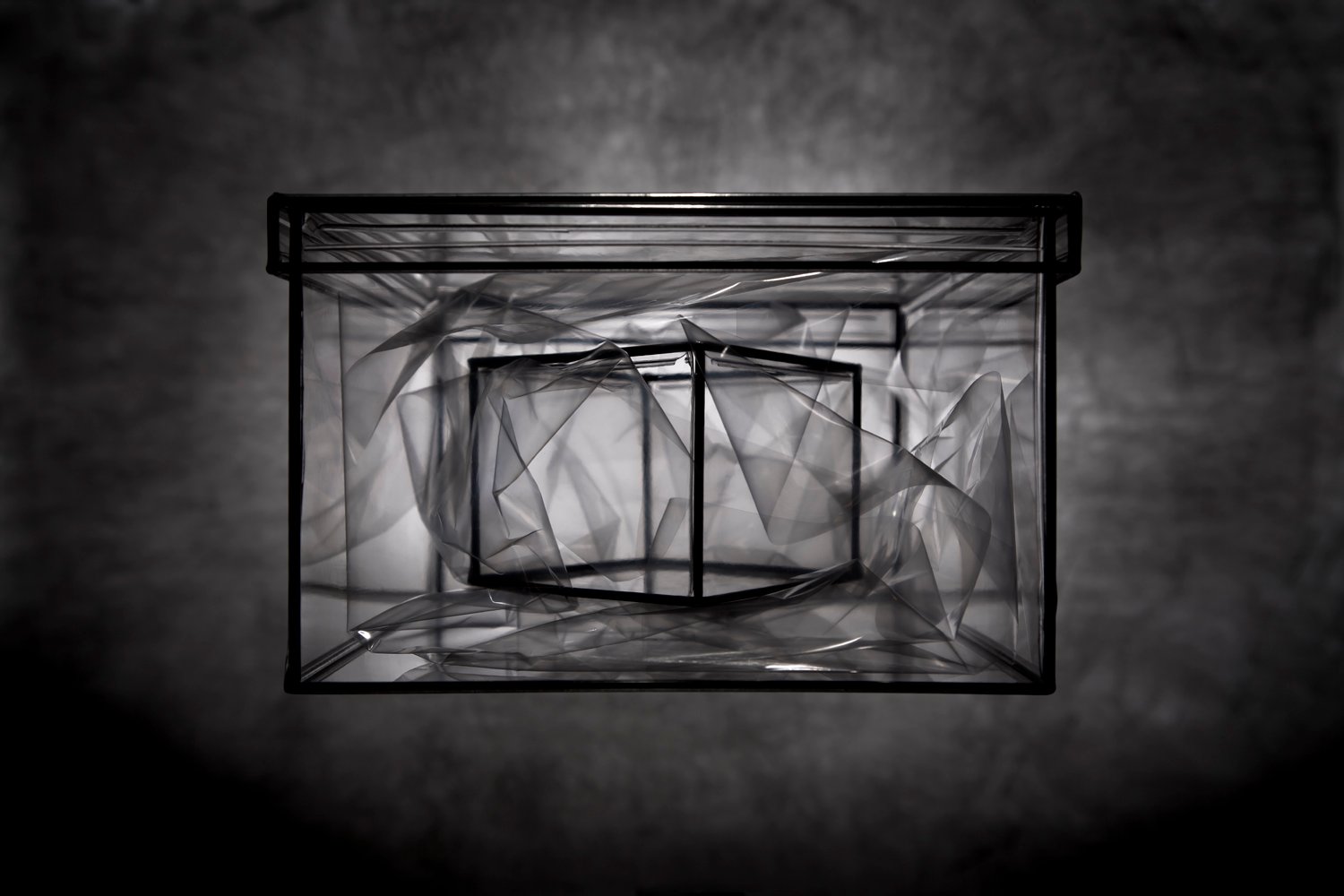
UN MAR DE TINTA NEGRA
Sobre la fotografía de Omar Torres
La construcción de los espacios deseados, la ubicación de los objetos y su contextualización, la narrativa a veces críptica, a veces abierta, la hechura de un mundo nuevo producido a partir de imágenes conocidas pero presentadas ante nuestro ojos como imposibles situaciones hechas a partir de lo real, son sólo algunas de las aristas del trabajo fotográfico de Omar Torres.
Desde sus inicios, ha preferido controlar aquello que constatará su cámara y es por ello que su trayectoria es una especie de puesta en escena. Ajeno a la fotografía del hallazgo o imágenes que nos sorprenden por su inverosimilitud, ha preferido obligar al espectador a tener una mirada reposada sobre su trabajo, lleno casi siempre de historias ocultas detrás de cada imagen.
Sus narrativas echan mano de los valores arquetípicos de las cosas sobre las que pone su mirada. Reutiliza y mezcla las historias que él asume que todos conocemos y las replantea cambiando los códigos de lectura hasta subvertir en cada una de sus placas cualquier posibilidad de narrativa lineal.
Por ello no sorprende que ahora raye en esa suerte de virtuosismo con la serie de las tintas, en las que ha trabajado de manera intensa hasta encontrar en cada una de las piezas una precisión casi obsesiva. Apoyado en el negro profundo desarrolla escenas en el límite de lo posible.
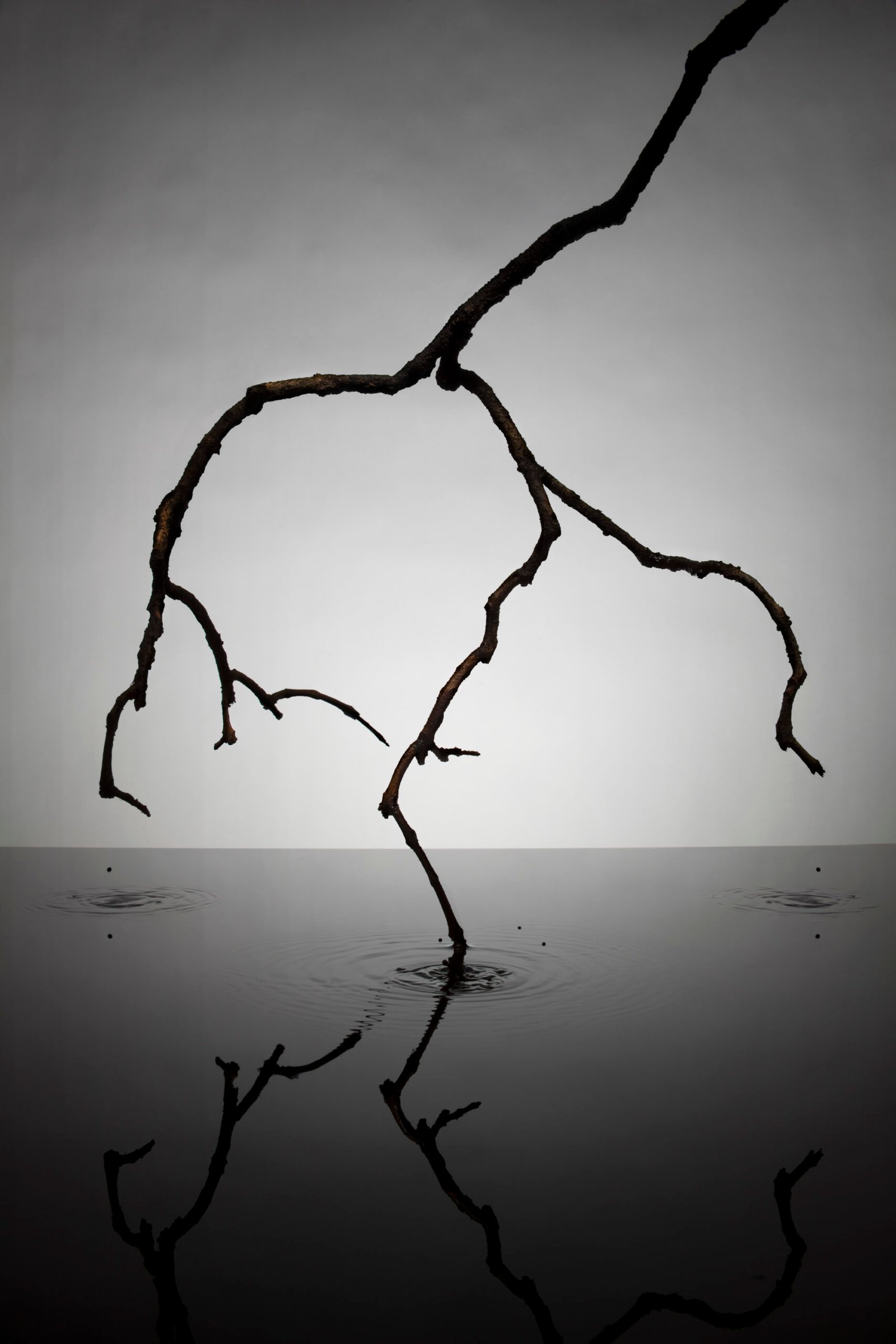
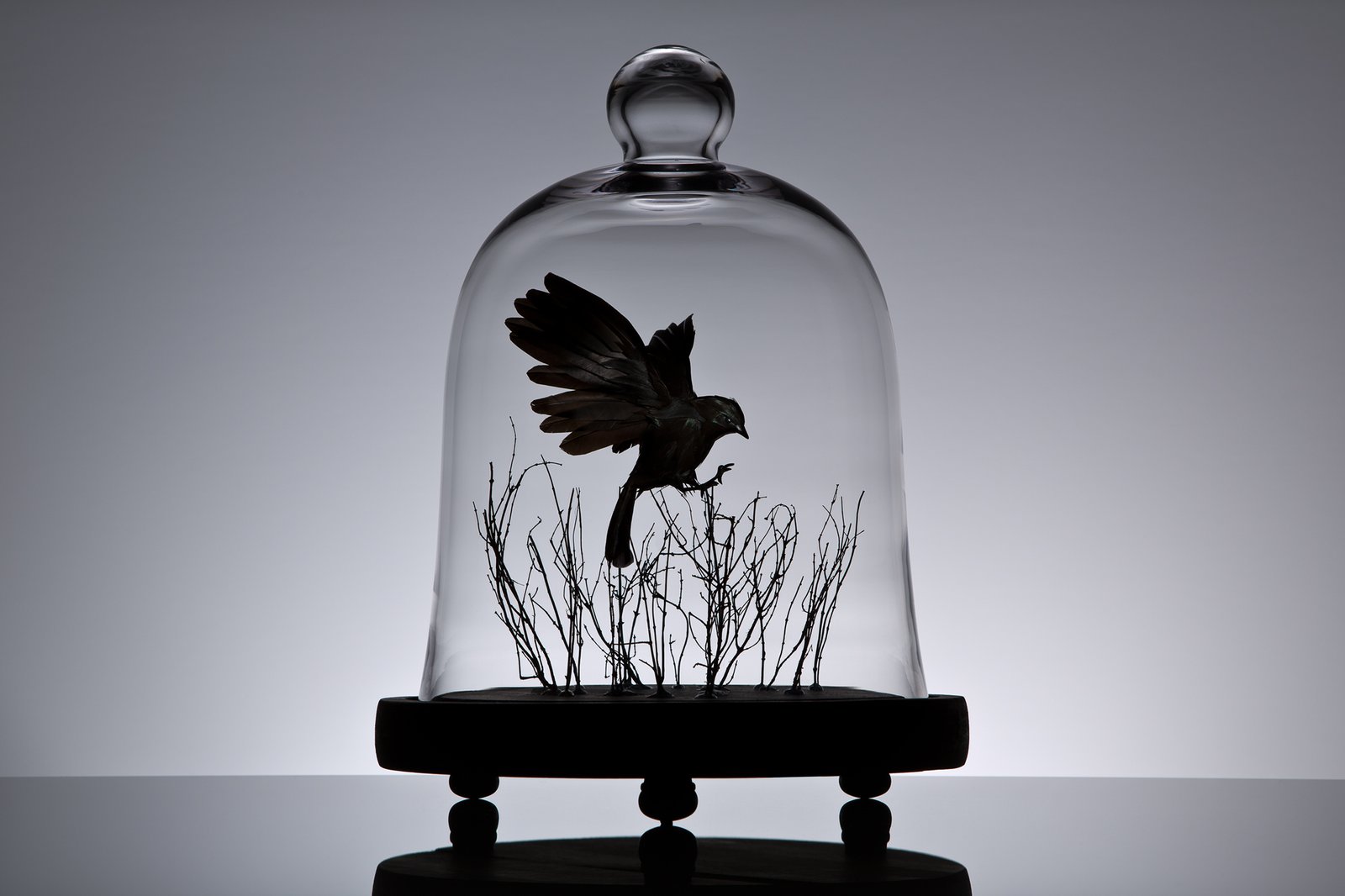
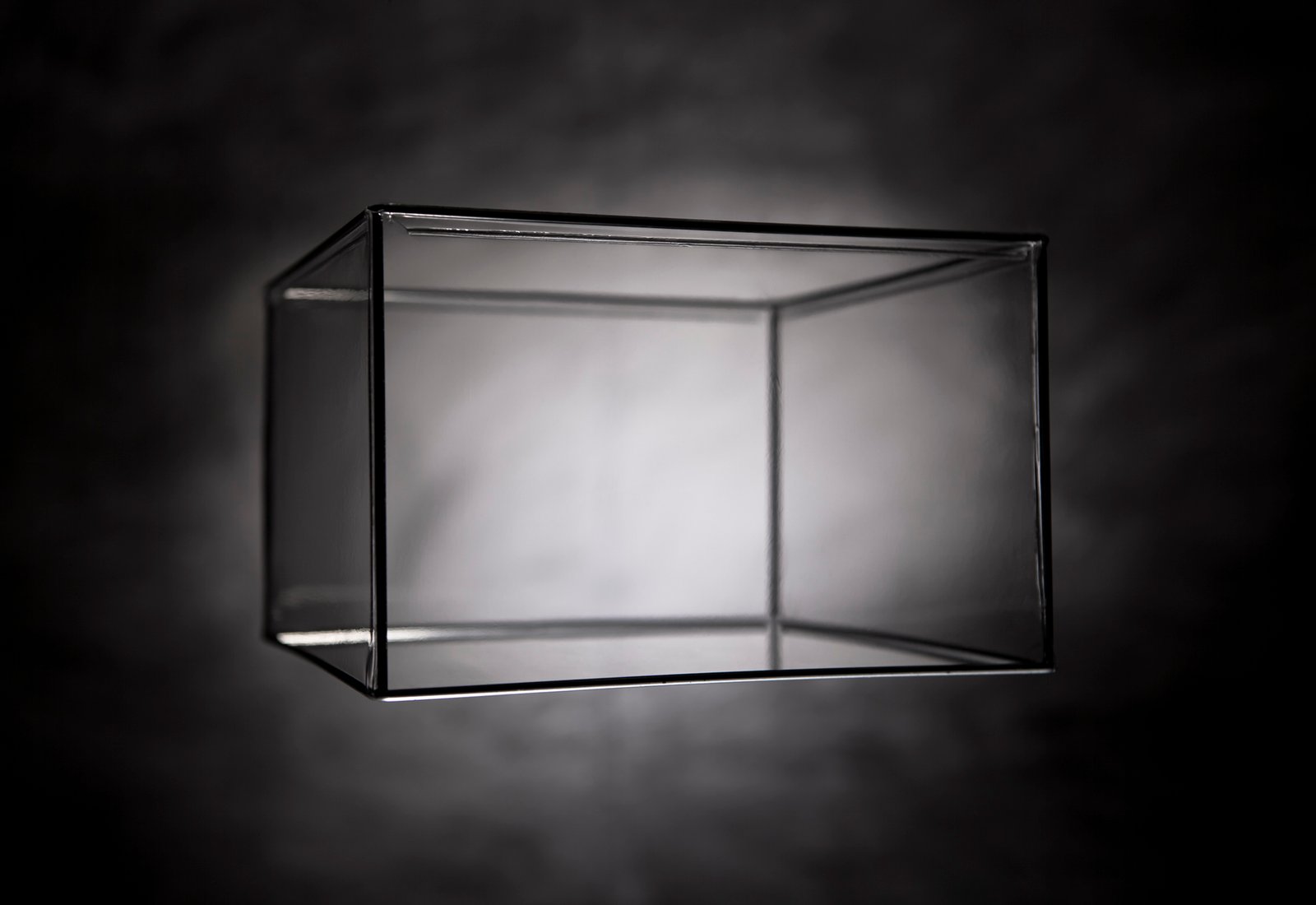
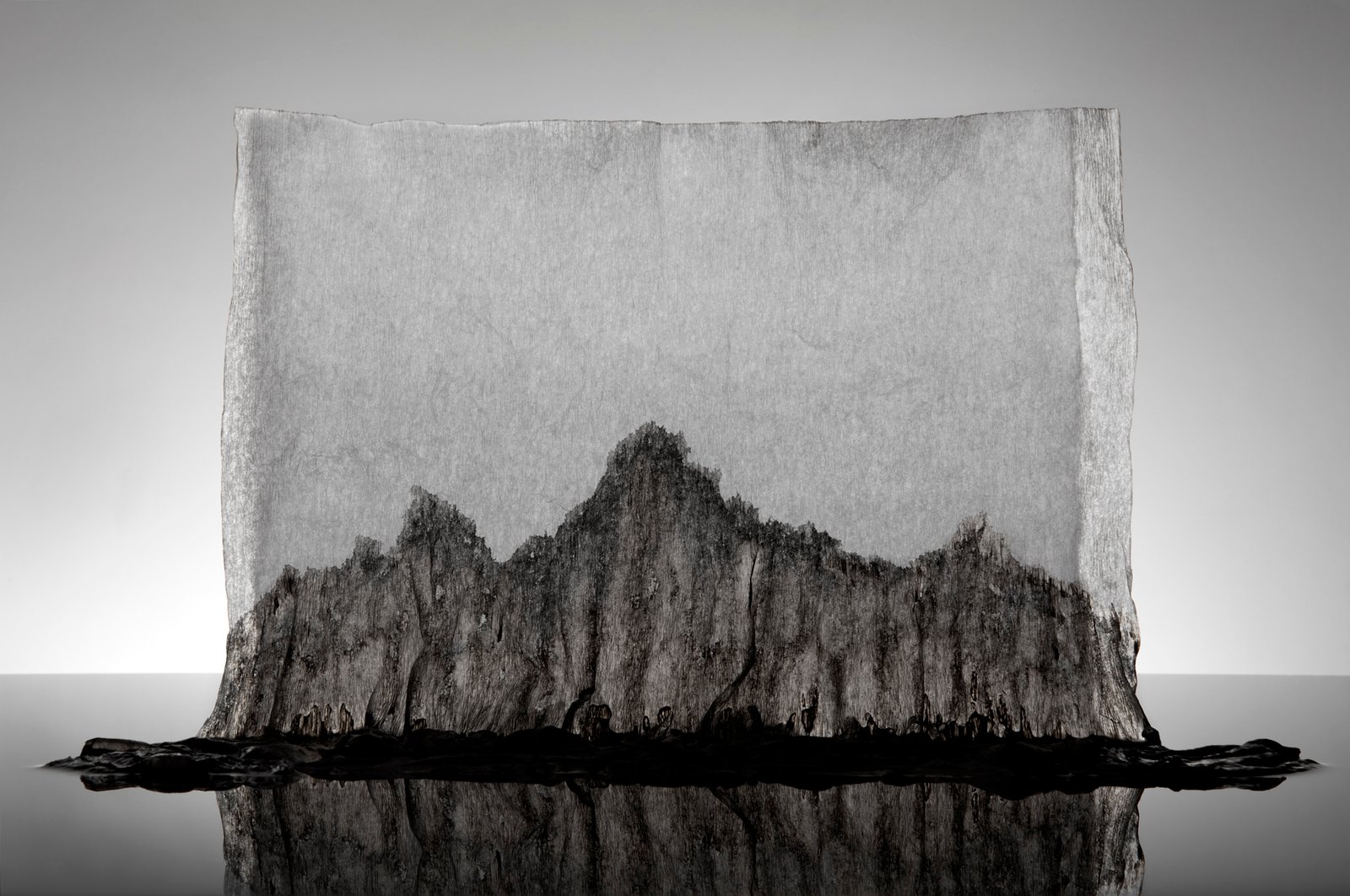
Aves de papel vuelan fuera de un frasco de tinta. Un bote contiene a otro que parecería sangrar en su inminente estado de fragilidad flotando casi en el límite de su hundimiento; un papel absorbe desde su base la tinta para convertirla en un paisaje cuyo horizonte suponemos cambiante y acuoso; una rama delata la pulcrísima base de tinta / mar que nos previene de la profundidad engañosa de lo oscuro.
Ya en otras épocas había trabajado de manera insistente con los líquidos. Recordemos Line donde unos vasos conteniendo agua se nos presentan en declive compartiendo una línea que delata el horizonte real contra el ficticio que nos presenta Omar Torres; Heart reaparece conceptualmente en Levitation y las aves de Fly podrían haber salido de la misma mano que parió el inquietante pato de papel que vemos en Origami, donde éste flota plácidamente en un lavamanos colmado de tinta roja.
La capacidad de Omar Torres por crear situaciones ambiguas y a la vez evocadoras (o quizá evocadoras por ambiguas…), es desarrollada de manera impecable y con gran asepsia. Esto no despoja a su trabajo de las imperfecciones atractivas que se nos revelan no en la factura ni en el terreno formal, sino en el campo de la conceptualización de cada una de las obras. “Firmar sentencias de muerte con buena letra” dice Juan Manuel Serrat en una de sus canciones.
Estamos ante una estética de lo finito, de la reconstrucción de los límites posibles de una existencia que, dicho sea de paso, tampoco tiene gran futuro en tanto se desarrollen sólo estrategias expresivas, evocadoras y complacientes. Aquí está la entrada a un mundo lleno de posibilidades maravillosamente terribles y atractivas. Ahí quizá su galanura y en ocasiones hasta su arrogancia.
En todo caso se trata de pistas para no perder la ruta, encontrar nuevas opciones en espacios visualmente atractivos y fascinantes que lanzan en cada mirada el reto de recomponer el resto de la historia. Y no se trata de una narrativa obvia. La red referenciada que soporta cada una de las piezas es enorme. De ahí que, sin serlo, nos parezcan abiertas y frágiles. Como a toda buena historia, hay que darle varias lecturas.
Santiago Espinosa de los Monteros
Julio 2011
A SEA OF BLACK INK
On the photography of Omar Torres
The construction of desired spaces, the placement and contextualization of objects, the narrative—at times cryptic, at times open—and the crafting of a new world born of familiar images presented as impossible situations derived from reality: these are just a few facets of Omar Torres’s photographic work.
From the outset, he has preferred to control what his camera records; consequently, his body of work functions as a form of *mise-en-scène*. Eschewing “found” photography or images that startle us with their implausibility, he compels the viewer to take a measured, contemplative look at his work—work almost always teeming with stories hidden behind each image.
His narratives draw upon the archetypal qualities of the objects he focuses on. He reuses and blends stories he assumes are universally known, reframing them by altering the codes of interpretation until—in every single print—he subverts any possibility of a linear narrative.
It is hardly surprising, then, that he now approaches a kind of virtuosity with his “ink” series—a body of work he has pursued with such intensity that each piece achieves an almost obsessive precision. Relying on deep blacks, he creates scenes that exist at the very limits of the possible.
Paper birds fly out of an ink bottle. One vessel holds another that seems to bleed in its precarious fragility, hovering on the verge of sinking; a sheet of paper absorbs ink from its base, transforming it into a landscape with a horizon we imagine to be fluid and shifting; a branch reveals the pristine base of ink—or sea—warning us of the deceptive depth of the darkness.
He had previously worked extensively with liquids. One recalls *Line*, in which glasses of water are presented at a tilt, sharing a line that reveals the contrast between the actual horizon and the fictional one presented by Omar Torres; “Heart” reappears conceptually in *Levitation*, and the birds in *Fly* might well have sprung from the same hand that birthed the unsettling paper duck seen in *Origami*—where it floats placidly in a sink filled with red ink.
Omar Torres’s ability to create situations that are simultaneously ambiguous and evocative (or perhaps evocative *because* they are ambiguous) is executed impeccably and with clinical precision. Yet, this does not strip his work of its compelling imperfections—imperfections revealed not in the craftsmanship or formal execution, but in the conceptualization of each piece. “Signing death warrants in beautiful handwriting,” as Juan Manuel Serrat sings.
We are confronted with an aesthetic of the finite, of reconstructing the potential boundaries of an existence—an existence that, incidentally, holds little future if it relies solely on expressive, evocative, and pleasing strategies. Here lies the gateway to a world teeming with possibilities that are at once wonderfully terrible and alluring. Therein, perhaps, lies the work’s elegance—and at times, even its arrogance.
In any case, these are guideposts to keep us on track, helping us discover new options within visually captivating and fascinating spaces that, with every glance, challenge us to piece together the rest of the story. And this is no obvious narrative. The web of references underpinning each piece is vast. That is why, despite their substance, they strike us as open and fragile. Like any great story, they demand multiple readings.
Santiago Espinosa de los Monteros
July 2011