Deconstruir
Omar Torres, México
Esquivo y críptico, el término atribuido a Jacques Derrida que desarrolló con la llamada teoría crítica, implica el proceso de desmontar textos, ideas, y estructuras para revelar sus significados ocultos e inconsistencias internas. Derrida argumentó que los textos tienen múltiples interpretaciones y que la comprensión depende de la deconstrucción de los prejuicios y estructuras establecidas.
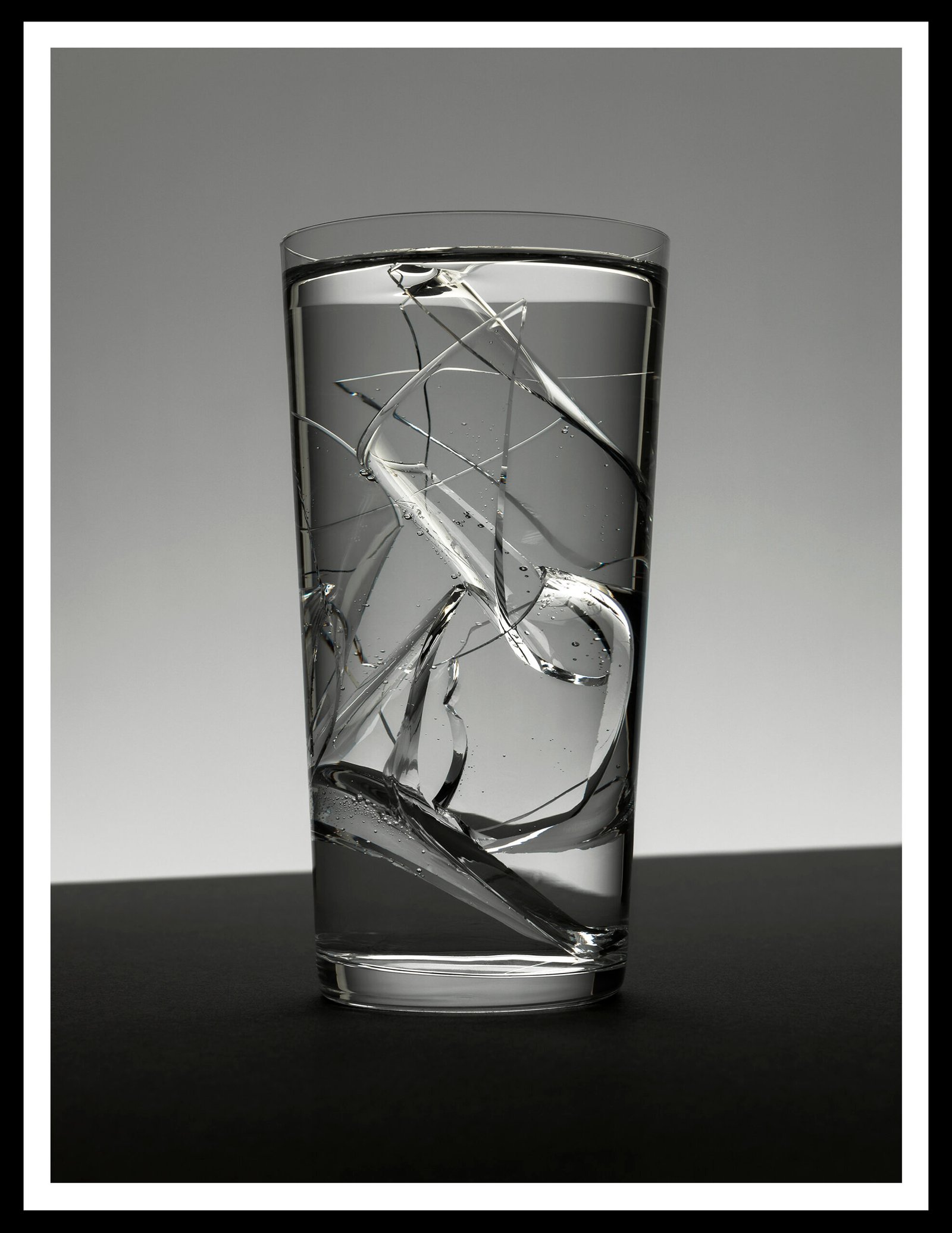
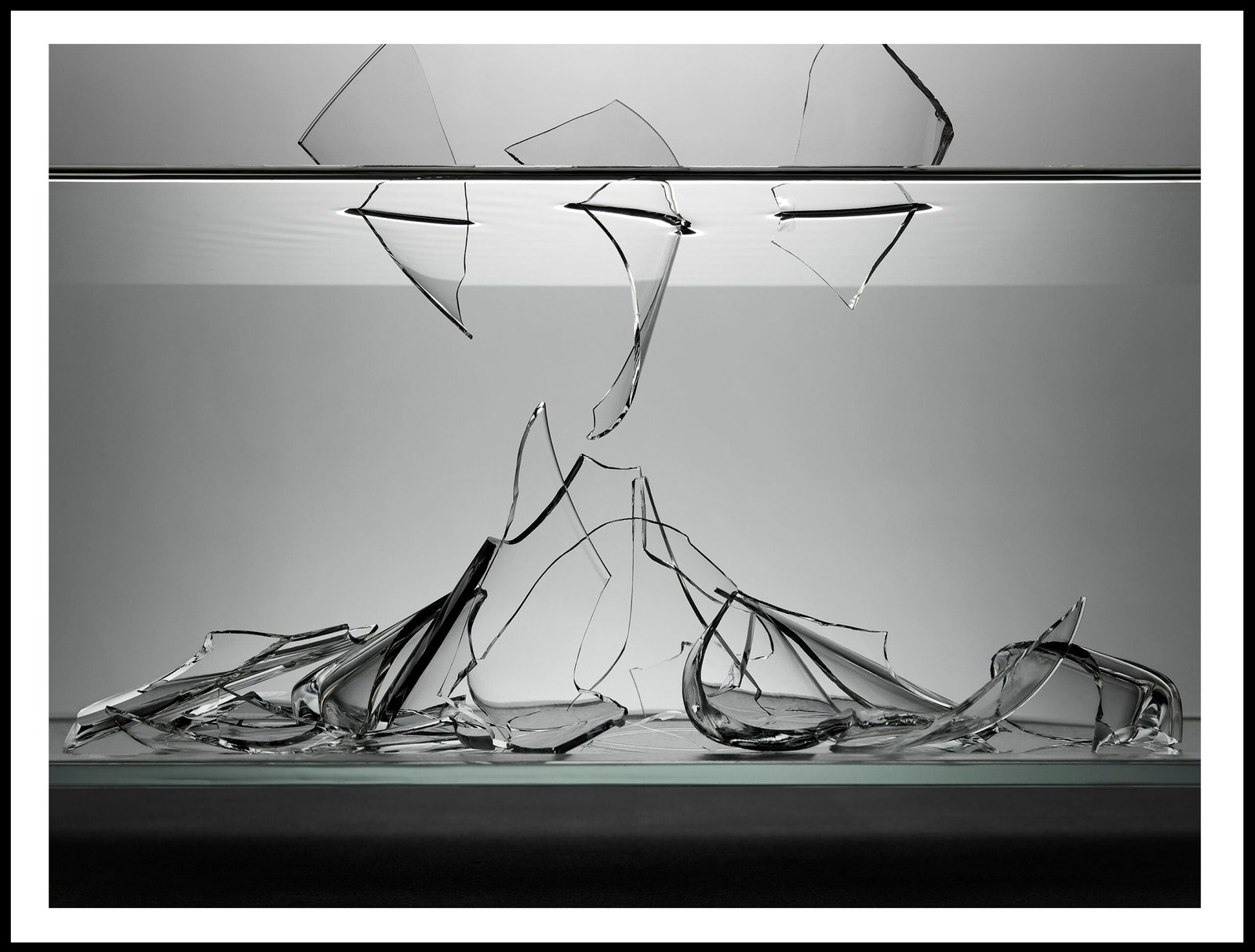
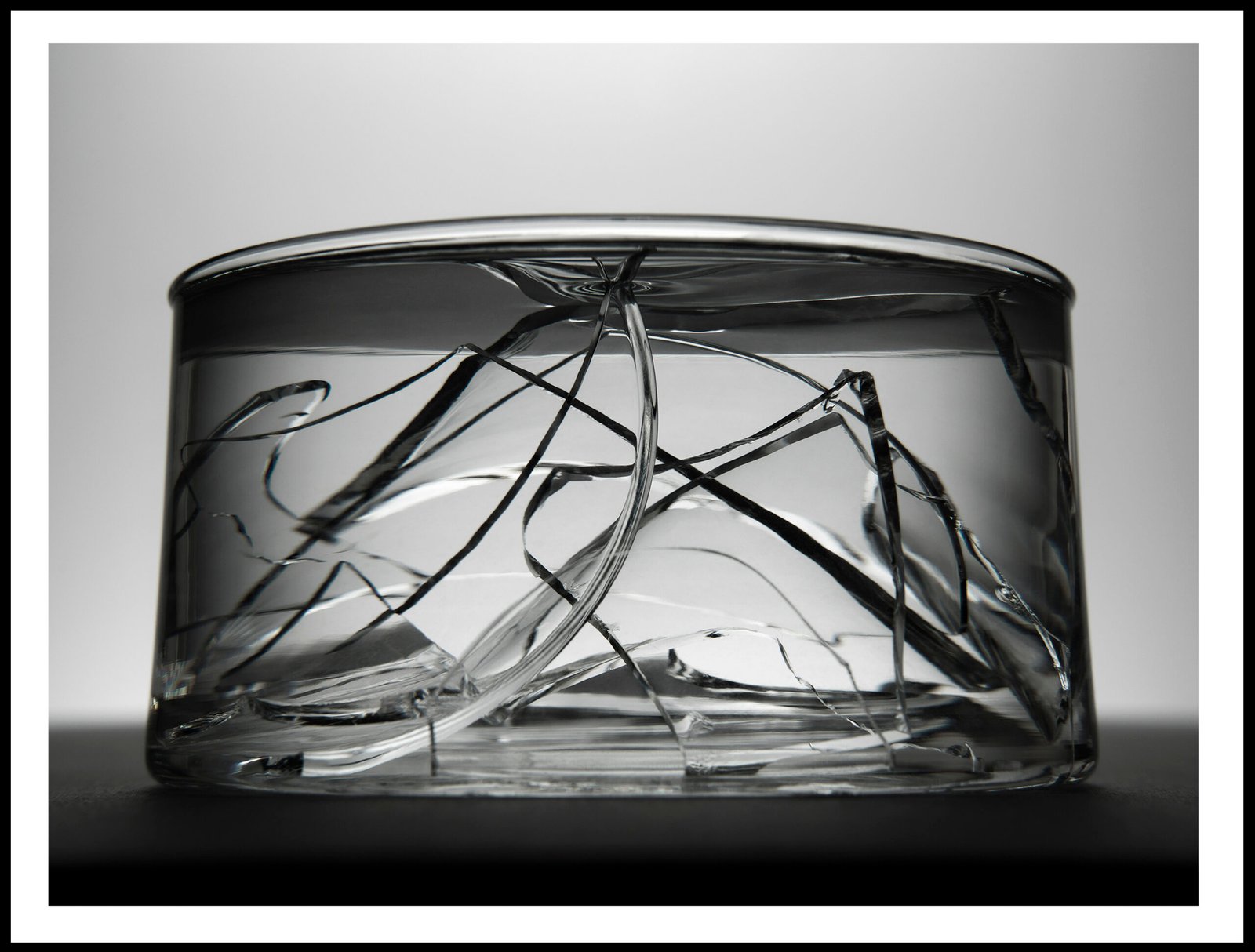
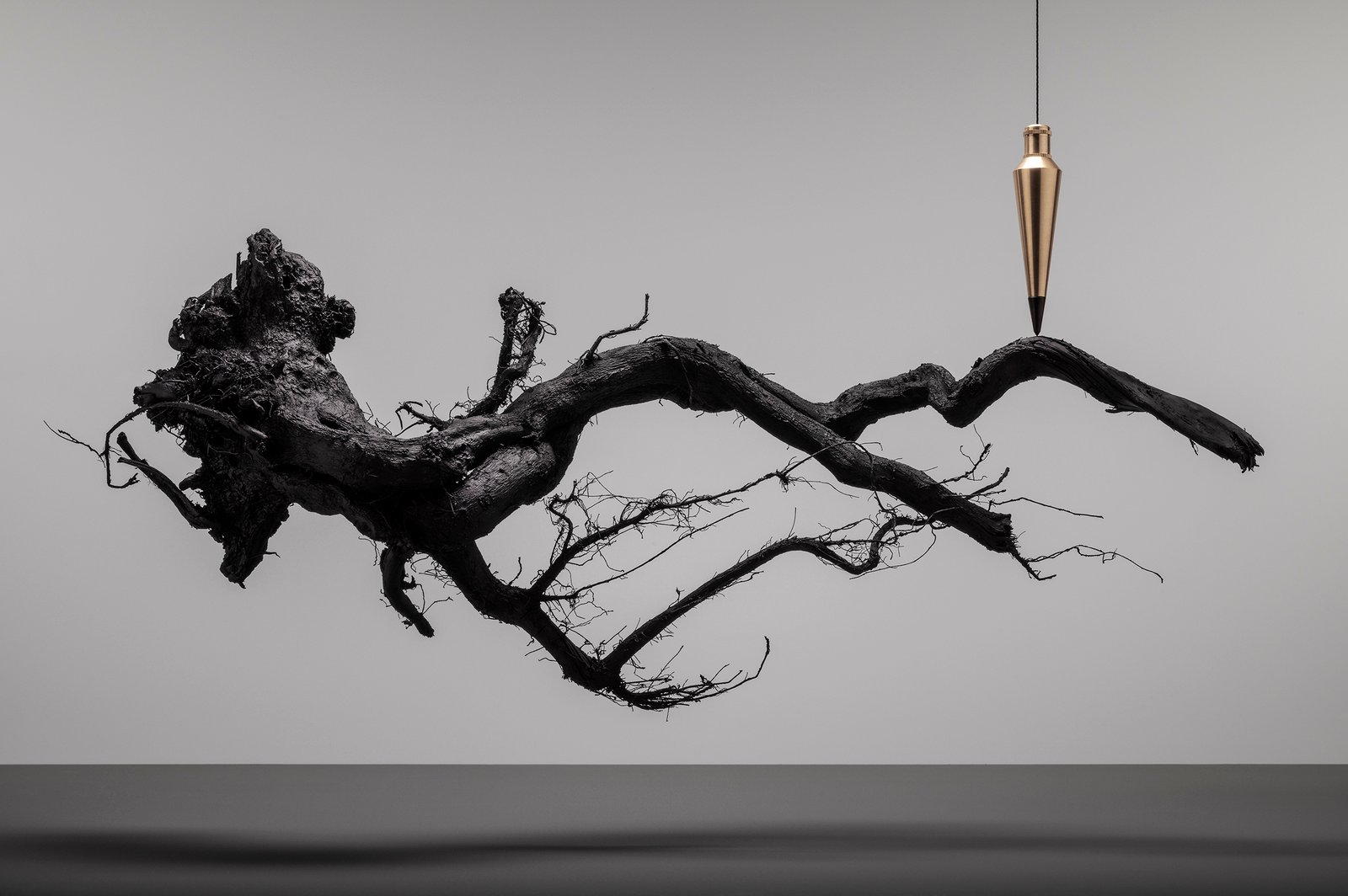
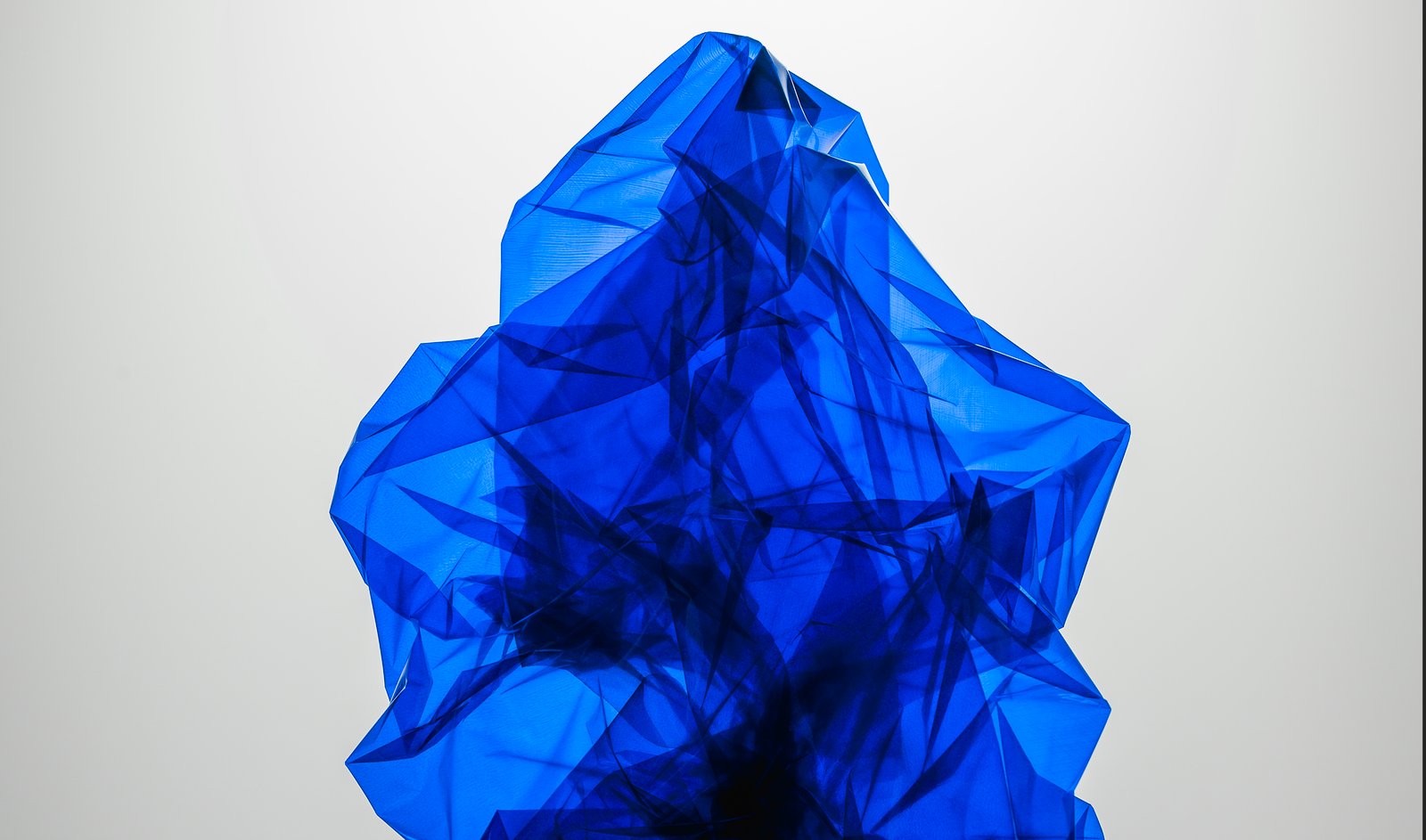
El acto de deconstruir puede ilustrarse con una metáfora visual simple: la transformación de un objeto de cristal perfecto en algo mas, al ser quebrado intencionadamente. Cada fragmento, aunque separado del todo, refleja una parte del original para introducir una nueva forma que, aunque aparentemente rota, constituye un nuevo entero que no existía hasta entonces.
Fotografiar estas fracciones crea una nueva imagen de éstas, una representación que no depende de los trozos individuales, sino de cómo se arreglan para interpretarse en su conjunto. Esta acción simboliza no sólo la transformación física de un cristal, sino en la mirada del espectador como ¿destrucción o re-construcción?
Deconstruir no es precisamente fragmentar, destruir o derribar; es quizás una forma de revelar lo que estaba en lo previo y encontrar nuevas formas de ser y de ser percibido.
Las imágenes de esta exposición invitan a una ruptura con nuestras percepciones originales para cuestionar nuestras certezas y reconstruir de una forma consciente nuestro mundo en el Mundo.
En ambos casos, tanto en el del cristal como en el del espectador, la serie atestigua que existen nuevas formas de ver y entender lo que alguna vez consideramos completo e inmutable.
Arturo Delgado
Deconstruct
Omar Torres, Mexico
Elusive and cryptic, the term—attributed to Jacques Derrida and developed within the framework of critical theory—entails the process of dismantling texts, ideas, and structures to reveal their hidden meanings and internal inconsistencies. Derrida argued that texts hold multiple interpretations and that understanding relies on deconstructing established prejudices and structures.
The act of deconstructing can be illustrated by a simple visual metaphor: the transformation of a perfect glass object into something else through intentional shattering. Each fragment, though separated from the whole, reflects a part of the original to introduce a new form; while seemingly broken, it constitutes a new whole that did not exist previously.
Photographing these fragments creates a new image—a representation that depends not on the individual pieces themselves, but on how they are arranged to be interpreted as a collective whole. This act symbolizes not merely the physical transformation of the glass, but also—in the eyes of the viewer—a question: is it destruction or reconstruction?
To deconstruct is not precisely to fragment, destroy, or tear down; it is, perhaps, a way of revealing what existed beforehand and discovering new ways of being and of being perceived. The images in this exhibition invite a break from our initial perceptions, urging us to question our certainties and consciously reconstruct our world within the World.
In both instances—that of the glass and that of the viewer—the series bears witness to the existence of new ways of seeing and understanding what we once considered complete and immutable.
Arturo Delgado