SI LOS OBJETOS HABLARAN – 2009
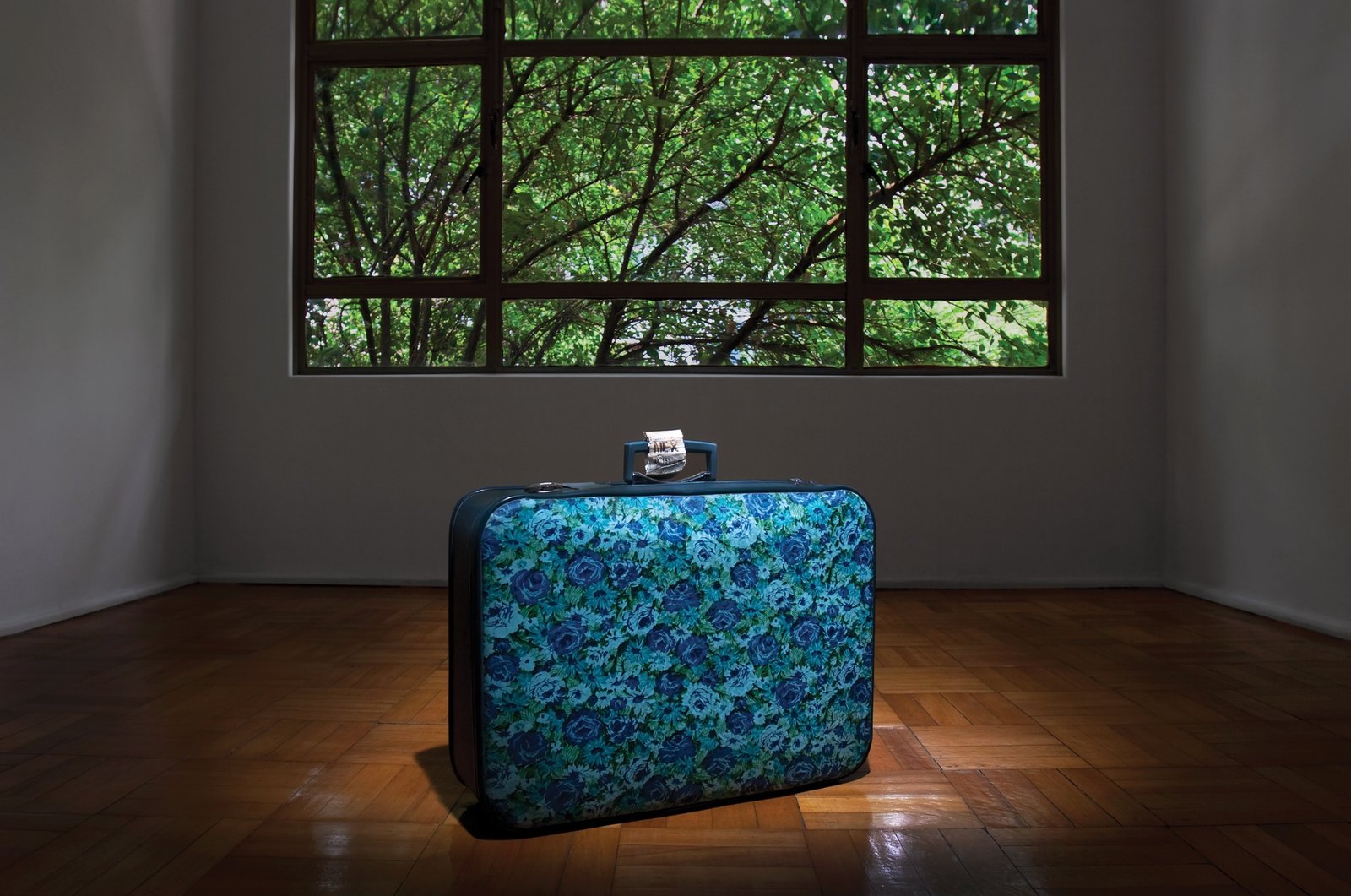
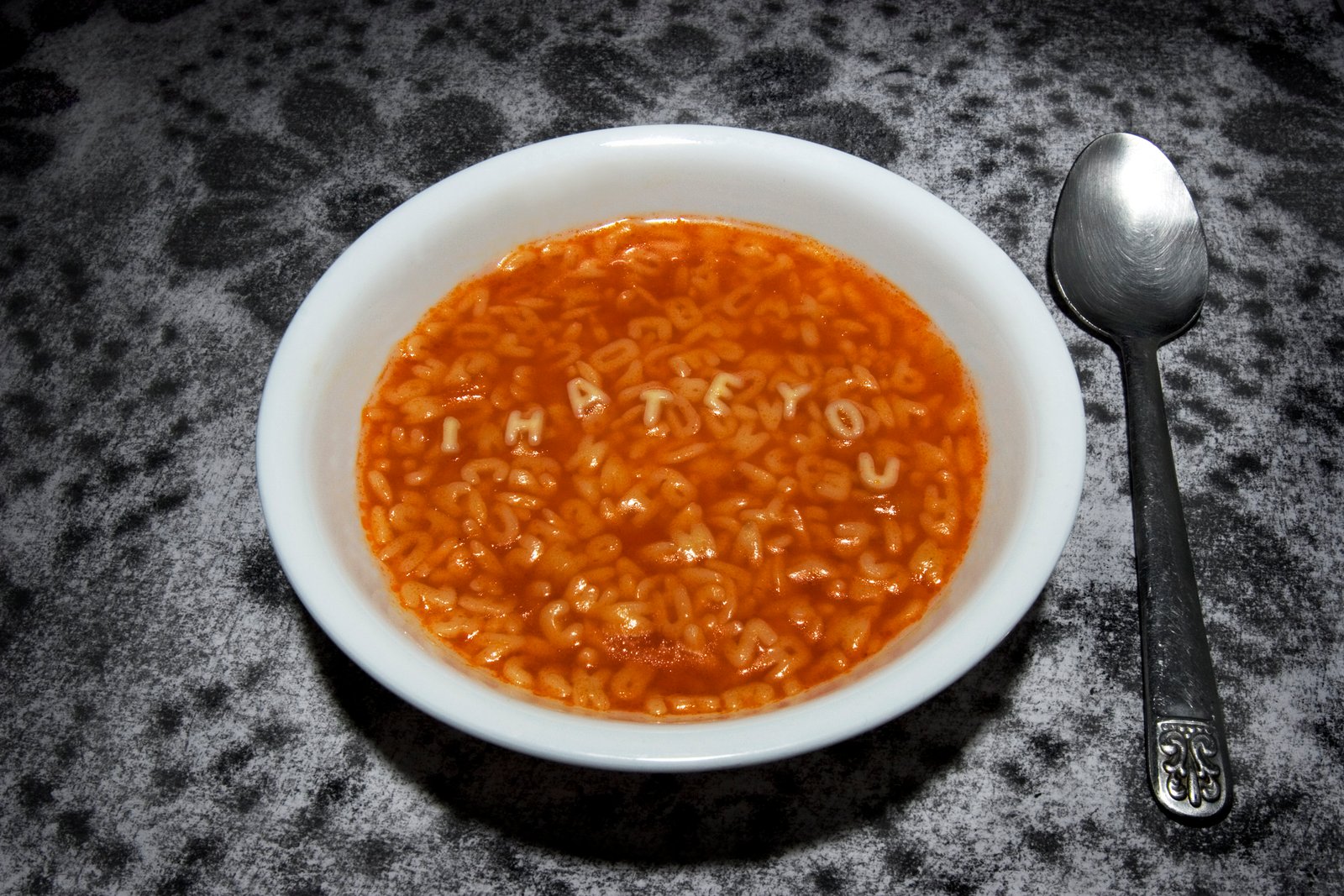
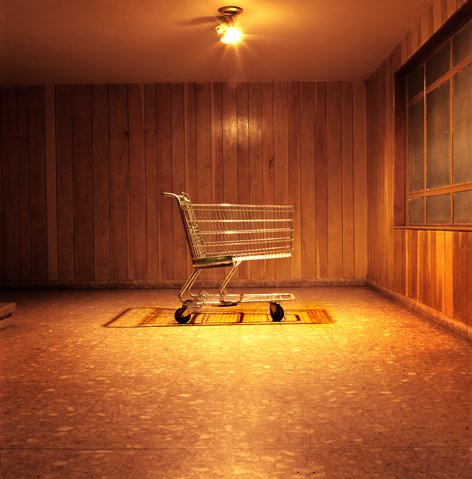
Mapa fotográfico de una realidad no visual, esta es la paradoja que Omar Torres nos presenta como propuesta.
La vida crece entre conflictos, angustias, revelaciones, culpas, alegrías, secretos e infinitos temores y sentimientos. Acumulamos objetos y pertenencias para darle a esa existencia un peso, un sentido que transferimos a los espacios que habitamos, aun así siempre nos queda una extraña sensación que sabemos que está presente pero que difícilmente podemos nombrar.
Esta es la historia que relata Omar Torres, la historia de testigos silenciosos que observan y registran el maravilloso y extraño suceso de la vida de un extraño animal que además tiene algo más extraño que llaman alma.
Estos testigos son los objetos que por innumerables razones sentimentales o funcionales hacemos parte de nuestra existencia y de manera inexplicable nos conocen o identifican como nadie, delatan nuestra humanidad y dibujan nuestro contorno sin decir una sola sílaba.
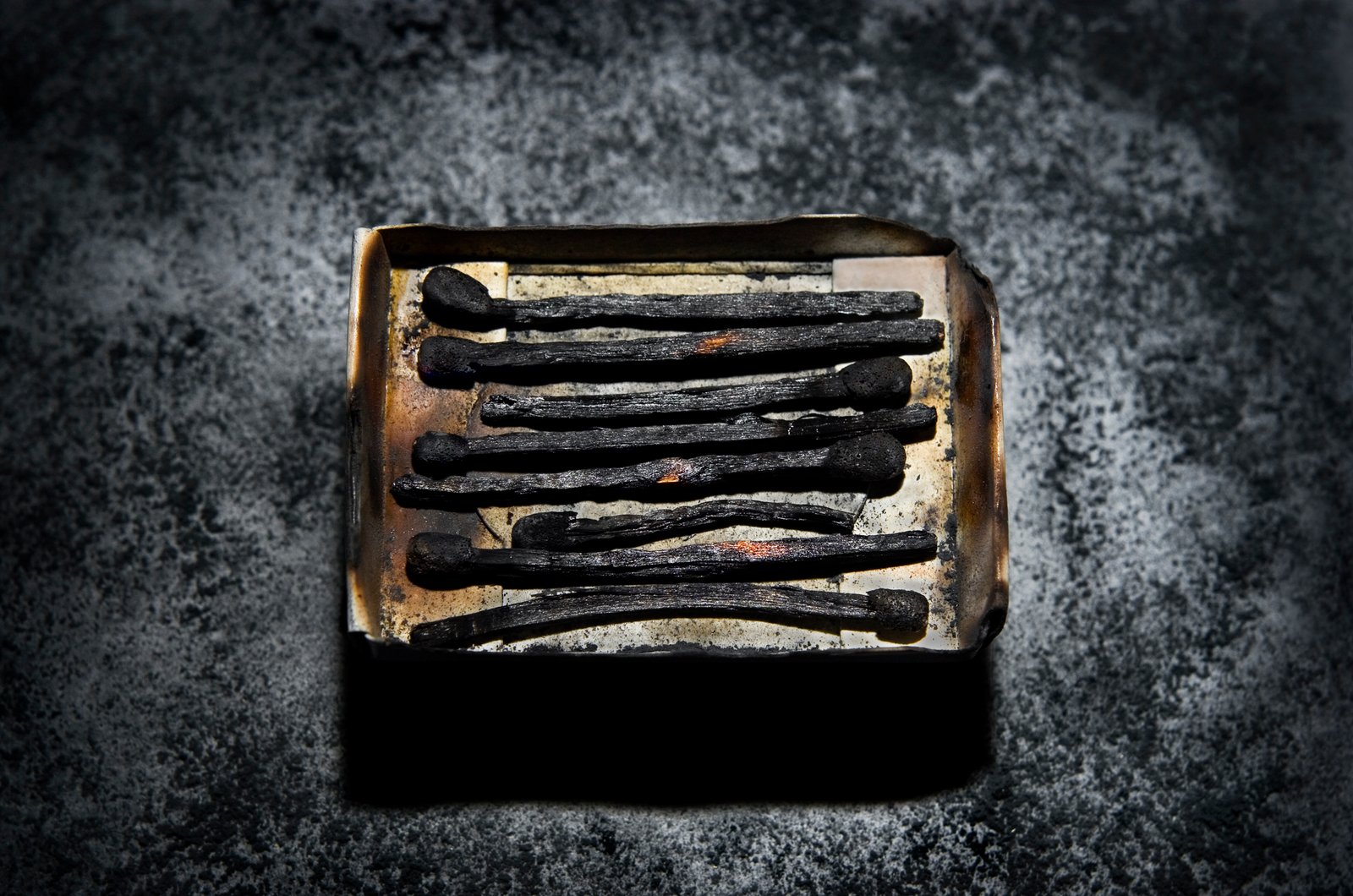
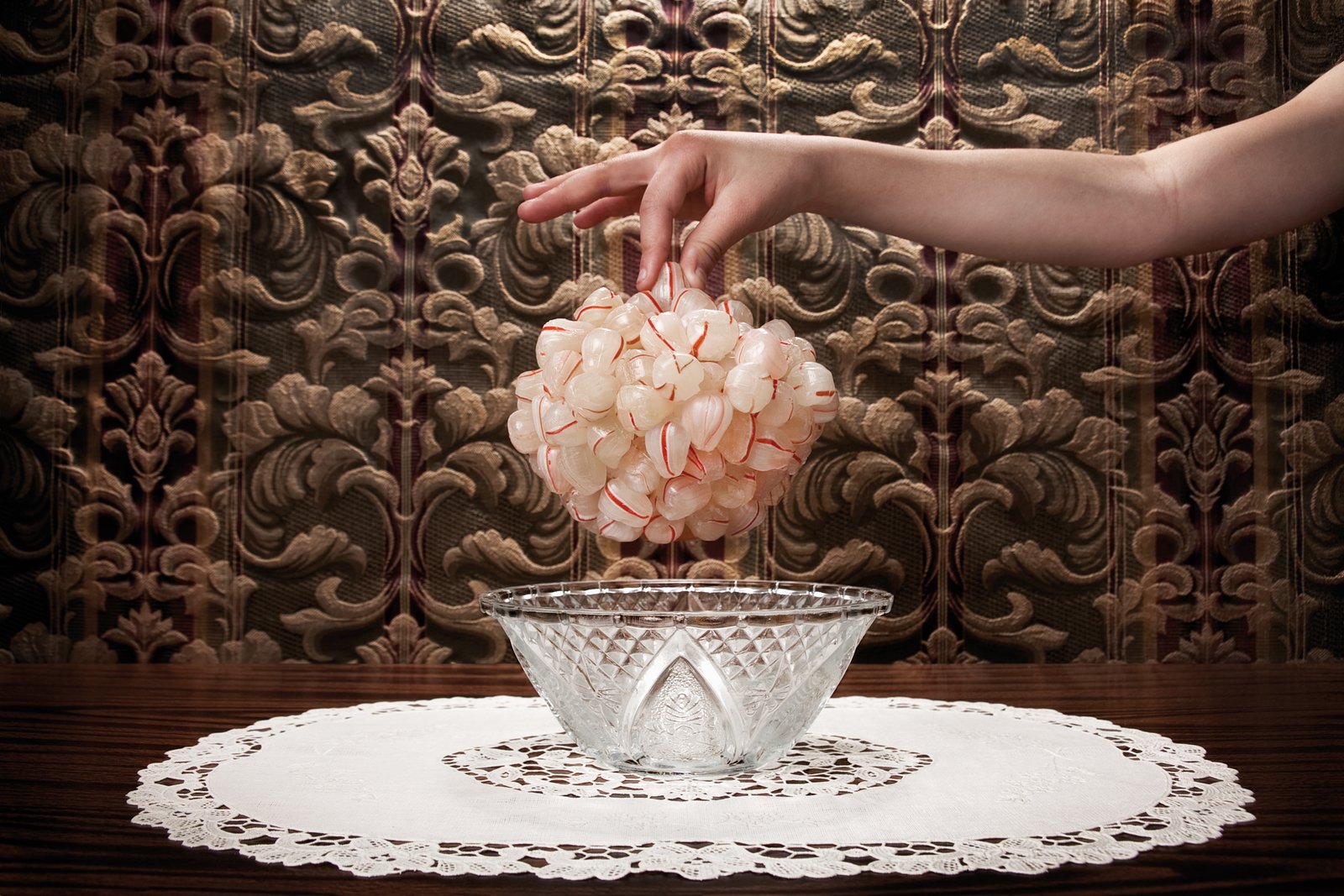
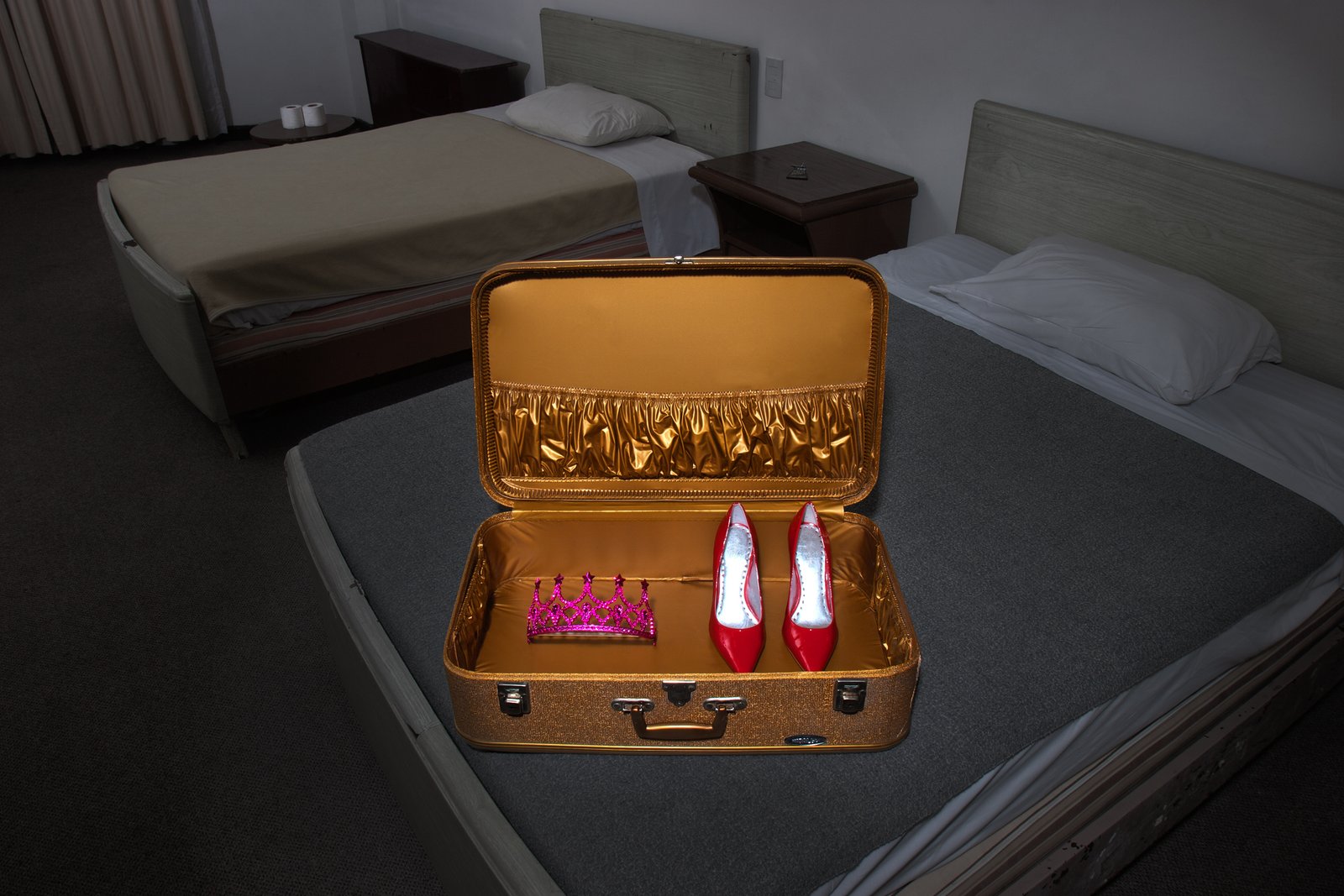
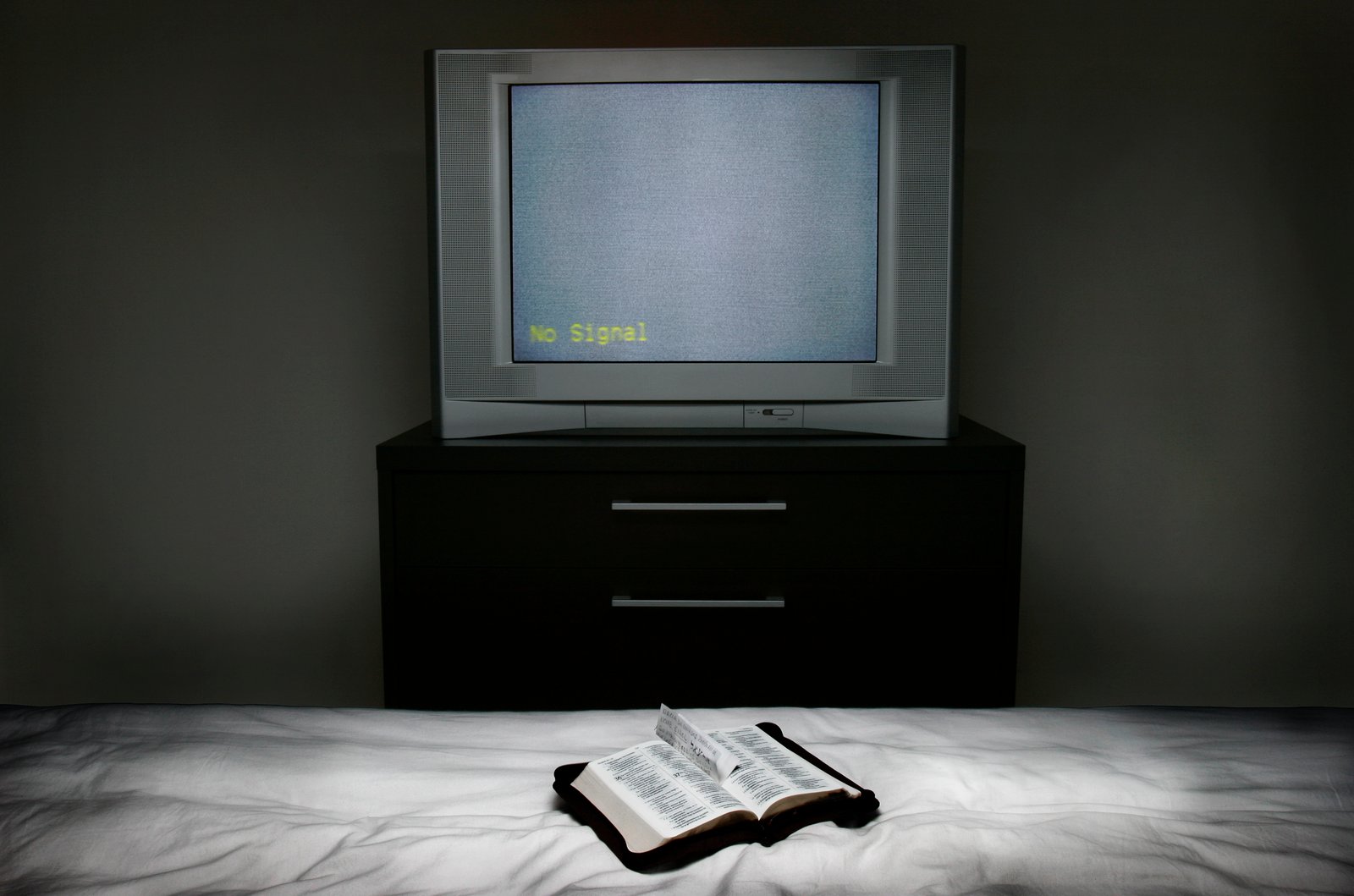
Los objetos en la obra de Omar Torres tienen la seductora capacidad de retener ese instante de tiempo dramático ese mágico segundo cinematográfico que denuncia el suceso que posiblemente jamás suceda, mas bien podría o tal vez ya sucedió.
Hablamos de ese instante dramático que pertenece a la imaginación, a la física, al alma y al objeto o por momentos podríamos decir que es el alma del objeto o del espacio que sostiene al objeto, que también llamamos entorno o contexto.
En su empeño por leer lo invisible, Omar Torres desarrolla meticulosamente escenas para ese segundo cinematográfico que termina desbordándose en la mente del espectador. Es el espectador quien agrega los cuadros faltantes de la secuencia y desenmascara ese relato o tal vez sólo ponga en evidencia sus propios temores, que por su puesto, contaminan la escena del crimen.
Omar Torres aborda el drama del desborde que define nuestra naturaleza, la lucha incansable por mantener en el recinto de nuestros cuerpos, de nuestras vidas, de nuestros espacios el torrente emocional del alma.
En el proceso, muchas veces fallido, de retener, esconder, disimilar o disfrazar este derrame, van quedando huellas, que impregnan todo de nuestra incontrolada humanidad.
Tal vez es ésta contenida existencia es lo que muchas veces llamamos estética cuando la transformamos en un suceso visible para todos. Pero no es el interés de Omar Torres en esta muestra. Él sólo se limita a denunciarla o ponerla en evidencia sin robarle sus matices misteriosos, intangibles, evasivos que a pesar de fugarse fuera de nuestros límites, sigue siendo íntimo, privado, personal por lo tanto no visual.
Dicen algunos que no hay peor ciego que el que no quiere ver, partiendo de este sabio refrán podríamos decir que mucho de la naturaleza no visual de nuestra humanidad, y del paradójico discurso de Omar, tiene que ver con ese tácito acuerdo de no ver más allá de nuestras conveniencias, manteniendo oculta como río subterráneo una rica y variada fauna de símbolos y referencias culturales que Omar Torres ha sabido aprovechar muy bien.
Hubert Moreno
IF OBJECTS COULD SPEAK – 2009
A photographic map of a non-visual reality—this is the paradox Omar Torres presents to us.
Life unfolds amidst conflicts, anxieties, revelations, guilt, joys, secrets, and infinite fears and feelings. We accumulate objects and possessions to give weight and meaning to that existence—meaning we transfer to the spaces we inhabit—yet a strange sensation remains: something we know is present but can scarcely name.
This is the story Omar Torres tells: the story of silent witnesses that observe and record the wondrous, strange phenomenon of the life of a peculiar animal—one that possesses something even stranger, known as a soul.
These witnesses are the objects we—for countless sentimental or functional reasons—make part of our existence. Inexplicably, they know or identify us like no one else; they reveal our humanity and trace our contours without uttering a single syllable.
In Omar Torres’s work, objects possess the seductive capacity to capture that moment of dramatic time—that magical cinematic second—which reveals an event that might never happen, yet could happen, or perhaps already has.
We are speaking of that dramatic instant belonging to the imagination, to physics, to the soul, and to the object—or, at times, we might say it is the soul of the object itself, or of the space holding that object (what we also call the environment or context).
In his quest to read the invisible, Omar Torres meticulously crafts scenes for that cinematic second—a moment that ultimately spills over into the viewer’s mind. It is the viewer who supplies the missing frames of the sequence and unmasks the narrative—or perhaps simply exposes their own fears, which, naturally, contaminate the crime scene.
Omar Torres addresses the drama of the overflow that defines our nature: the tireless struggle to contain the soul’s emotional torrent within the confines of our bodies, our lives, and our spaces. In the—often unsuccessful—process of containing, hiding, masking, or disguising this overflow, traces are left behind, imbuing everything with our uncontrolled humanity.
Perhaps this restrained existence is what we often call “aesthetics” when we transform it into an event visible to all. Yet, that is not Omar Torres’s aim in this exhibition. He simply seeks to reveal or expose it without stripping away its mysterious, intangible, and elusive nuances—qualities that, even as they slip beyond our boundaries, remain intimate, private, and personal, and thus essentially non-visual.
It is often said that there is none so blind as those who will not see; drawing on this wise adage, we might say that much of the non-visual nature of our humanity—and of Omar’s paradoxical discourse—stems from a tacit agreement not to look beyond our own convenience. This agreement keeps hidden, like an underground river, a rich and varied fauna of symbols and cultural references—elements that Omar Torres has masterfully harnessed.
Hubert Moreno